Removals in Hackney

Our removals in Hackney are set up to help households and businesses move belongings with care, structure and clear communication. We handle the practical side of moving items from one property or premises to another, with a focus on safe loading, sensible packing support and a route that suits the job. Whether the move is across the local area or to another part of London, the aim is straightforward: keep the process organised and your possessions handled properly.
That can include a full property move, a smaller transport-only job or help with individual bulky items that need more than a standard car journey. We also work with customers who want removals support alongside packing materials, furniture protection or storage planning. If you are weighing up what needs moving and what can stay back, our team can help you shape the job before anything is loaded.
For a clear starting point, you can request a quotation once you know the main items and the destination. Tell us the basic details, and we can advise on the kind of removals service that fits best. If you already know the date, that helps too, but the key thing is to begin with a concise list of what needs to move.
House and flat removals
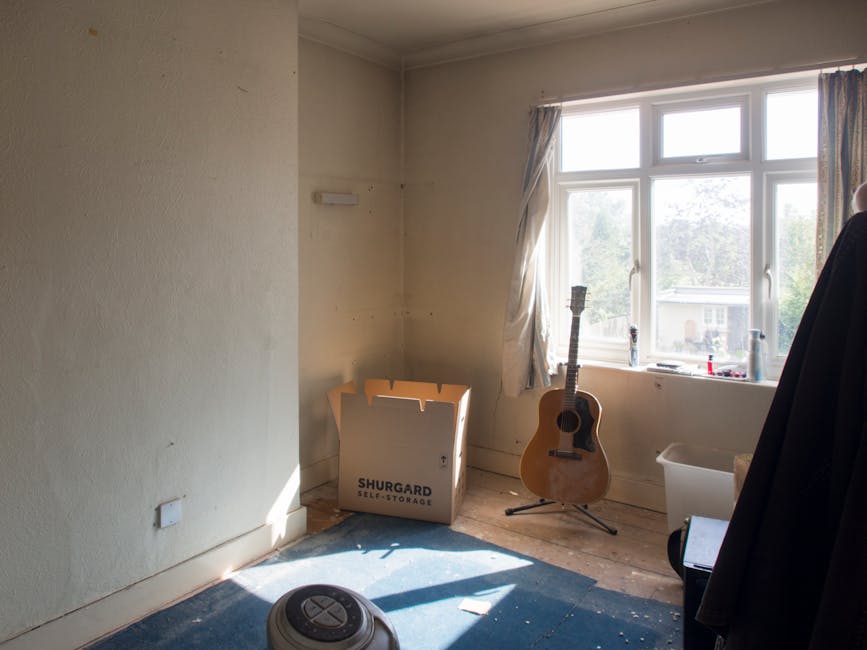
House and flat removals often need a careful approach because access, floor level and furniture sizes vary from one property to the next. We plan each move around the items involved, the amount of carrying required and any pieces that need extra protection. Sofas, beds, wardrobes, appliances, boxes and mixed household contents can all be managed in one organised load when they are assessed properly in advance.
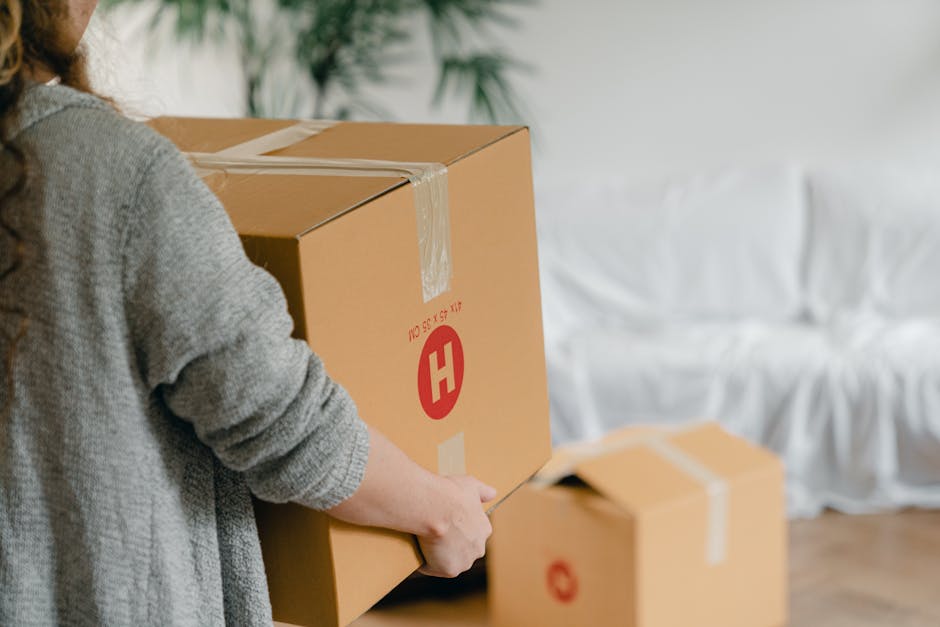
Many moves also benefit from a step-by-step packing plan. Our packing and boxes page covers materials and preparation options that help protect breakables, books, kitchenware and other household items. For homes with a lot of loose belongings, packing support can reduce the amount of handling on moving day and make it easier to keep similar items together, especially when there are several rooms to clear.
Useful preparation is usually simple and practical rather than complicated. A short written inventory, a note of access restrictions and an idea of which rooms contain the heavier furniture can make planning more accurate. If you prefer, you can also separate items that need special care, such as mirrors, artwork or disassembled furniture, so that they are loaded in a sensible order.
Moving support for everyday furniture

Furniture removals are often the core of a move, particularly when the job involves larger pieces that are awkward to carry or cannot be lifted safely without the right equipment. We move tables, chairs, cabinets, shelving, beds and other domestic furniture with attention to corners, stairways and narrow entrances. The aim is to protect both the item and the property it passes through.
If you only need a few large items shifted, a full household move may be unnecessary. In those cases, a smaller transport arrangement can be more efficient. Our furniture removals service is useful when the job centres on bulky items rather than an entire property, while furniture pick-up suits single pieces collected from shops, private sellers or storage locations.
Different items need different handling. Flat-pack furniture may need partial dismantling, wardrobes often need doors or shelves secured, and glass-fronted pieces benefit from wrapping and careful stacking. We do not treat furniture as a one-size-fits-all load; instead, we look at shape, weight and fragility so that the move is carried out in a sensible order.
Office and commercial relocations
Office relocation work is about moving equipment and furniture while keeping the layout of the destination in mind. Desks, chairs, filing units, boxed documents and IT-related items each need different handling, and a commercial move is usually easier when the sequence is planned in advance. We can support smaller offices as well as larger workplace moves where access and timing need closer coordination.
For businesses that are relocating a workspace, the right service may be broader than a simple van journey. Our office relocation services and office removals pages describe the main options for moving business contents in an organised way. These services are useful when you need a practical approach to furniture, filing and equipment rather than informal ad hoc transport.
Commercial moves can also involve a brief staged plan. For example, you may want some areas cleared first, with shared equipment moved later once staff have finished using it. Keeping the move orderly helps reduce confusion, especially when the destination has different room sizes, storage points or reception areas that need to be set up in a particular sequence.
Sizes of move and transport choices
Not every removals job needs the same vehicle size or crew arrangement. Some customers need a straightforward move with just a few bags, boxes and light furniture, while others require a larger load plan that includes appliances, bedroom furniture and items from multiple rooms. Our man and van and man with a van pages are useful for smaller, flexible jobs where the volume is modest but the items still need proper handling.
For heavier or more extensive moves, a larger vehicle may be more suitable. The moving truck and removal van pages outline the transport options available for different sizes of load. Choosing the right vehicle matters because it affects how many trips are needed, how the items are stacked and whether large pieces can travel together without overcrowding.
A practical approach is to match the vehicle to the actual contents rather than guessing from property size alone. A compact flat can still contain several awkward items, while a larger property may be partly empty already. If you are unsure which option is likely to suit your move, begin by listing the biggest pieces first and then add the rest so the load can be considered properly.
Packing, protection and preparation

Packing support is useful when you want the move to be more controlled from the outset. The right materials can protect fragile items, keep groups of belongings together and make loading more efficient. We can help with the preparation of boxes, wrapping for vulnerable surfaces and the organisation of mixed contents so that the move is not slowed down by loose or unlabelled items.
Our packing and unpacking services page is relevant if you want help at both ends of the move. Some customers only need packing before the removal takes place, while others prefer assistance when settling in, particularly after a busy day of travel and lifting. The process can be adjusted depending on how much of the work you want to hand over.
Two points usually make the biggest difference: access and item grouping. If boxes are already grouped by room, and heavier furniture is left clear of obstacles, loading tends to move more smoothly. It also helps to keep essentials separate so that they are easy to find once the move is complete. That simple preparation often makes the rest of the day feel less rushed.
Specialist item moves
Some removals jobs involve items that need extra care because of weight, shape or value. A piano, for example, is not treated like a standard box or chair; it needs specific handling and careful movement through the property. Our piano removals service is intended for those more specialised jobs where attention to protection and lifting technique is especially important.
We also deal with single-item and mixed-item moves where the contents are unusual rather than large in volume. That might include garden furniture, shop stock, display units or fragile possessions that cannot simply be stacked with ordinary household goods. In these cases, the route from collection point to vehicle and from vehicle to destination is planned to reduce avoidable handling.
Specialist items are often best discussed early because they can affect the type of vehicle, the way other belongings are loaded and whether any pieces should travel separately. The more clearly these items are identified before the move, the easier it is to organise the rest of the job around them in a calm and practical way.
Storage, timing and flexible planning
Not every move ends in a straight transfer from one property to another. Sometimes storage is needed because the new place is not ready, access dates do not line up or only part of the contents can be delivered immediately. Our storage page is useful where belongings need to be kept in a secure interim arrangement before the next stage of the move.
Where timing matters, a flexible approach can make the whole process easier to manage. Our same-day removals page covers jobs that need to be handled quickly, while a planned move may simply require better scheduling around work, school or building access. The right choice depends on the contents, the distance and how much notice you have before the move must happen.
When looking at price factors, the main points are usually the amount of furniture, the level of access difficulty, the need for packing support and any special handling requirements. A well-prepared quotation request should therefore focus on the contents and the route rather than only the property type. That gives a more realistic basis for arranging the move and helps avoid unnecessary changes later.
About Hackney
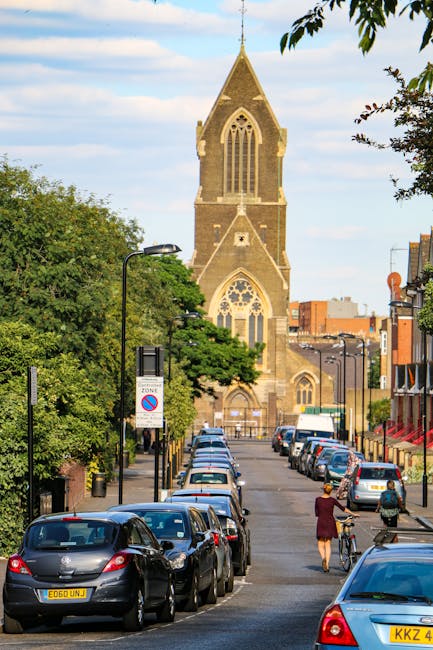
Hackney is a district in East London with a long and varied urban history, shaped by former villages, industrial growth and later waves of residential change. The modern area includes Hackney Central, Dalston, Stoke Newington, Homerton and neighbouring districts that developed at different times but now form a densely connected part of inner London. Its streets contain a mix of Georgian terraces, Victorian housing, later council estates and contemporary redevelopment, reflecting the many phases of building that have taken place over the centuries. Hackney has also been known for its market activity, especially around Mare Street and the broader town centre, where local trading and public life have remained important. Green space is another notable feature: London Fields, Victoria Park and Hackney Marshes provide open ground within the urban landscape, while the River Lea and associated waterways mark the eastern edge of the borough and link it to wider ecological and transport corridors. The area is also notable for its cultural institutions, independent venues and creative industries, which sit alongside schools, libraries, churches and civic buildings that give the district a strong sense of layered identity. Because the name Hackney is sometimes used for both a wider borough and a more specific local centre, it is helpful to think of it as a place made up of several distinct neighbourhoods rather than a single uniform district. That mix of older streets, public parks, canal-side routes and busy high streets gives Hackney a character that is both densely urban and historically diverse.
Clearer planning for local and long-distance moves

Whether a move stays within Hackney or heads further afield, the same basic principles apply: identify the load, protect the fragile items and choose the right transport approach. A move that is carefully planned from the beginning is usually easier to manage than one assembled at the last minute. Our removal work is designed to support both straightforward household changes and more involved property transfers.
If you are comparing service pages, the most relevant options may be house removals for full domestic moves, flat removals for apartment moves and home moves for broader residential relocation support. These pages are useful when you want to match the service description to the type of property and the contents that need to be moved.
It is worth thinking about how much of the job is the load itself and how much is the preparation. Some moves are almost entirely about transport; others depend just as much on sorting, wrapping, boxing and arranging access. Good planning usually means fewer surprises on the day and a clearer understanding of what the move involves.
Commercial removals and workplace support
Commercial removals cover a wide range of business situations, from a small office reorganisation to a larger relocation of desks, storage and work equipment. The service is most effective when it is matched to how the business actually operates, because some items can be moved only after they are disconnected, sorted or labelled. We can help with that kind of practical sequence, rather than treating every business move as identical.
Where the move is tied to a company premises change, commercial moves provides a broader overview of the business relocation process. That can be useful if you need to move stock, furniture or office contents together, or if you want a service that is not limited to one room or one piece of equipment. The work can then be shaped around the needs of the premises and the materials involved.
For larger or more specialised workplace moves, the best outcome usually comes from a clear list of what is going, what is staying and what must be handled carefully. A simple split between essential items and non-essential items can help the move feel more manageable and can reduce the risk of moving the wrong things too early.
Useful pages for quotations and service choices
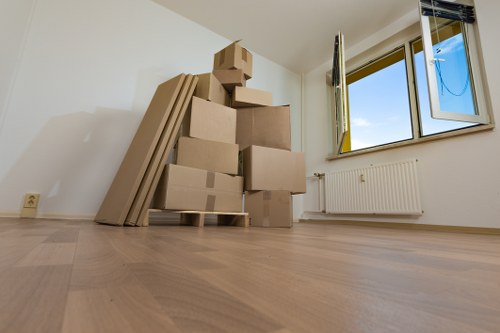
If you are at the stage of comparing options, a short quotation request is often the most useful next step. You can keep it simple by noting the property type, the main furniture, any special items and the destination. That is usually enough for us to understand the shape of the job and guide you towards the most suitable removals arrangement without overcomplicating the process.
The pricing and quotes page is the best place to look if you want to understand how enquiries are handled, while contact us is the right destination when you are ready to send the details through. Keep the description focused on what needs to move, whether packing support is required and whether there are access points, stairs or parking restrictions to mention.
Request a quotation today if you want a practical removals service in Hackney that is built around the actual job rather than a generic estimate. If you already know the main items, the date and the destination, that is enough to begin the conversation. We will take it from there and help shape the move in a sensible way.