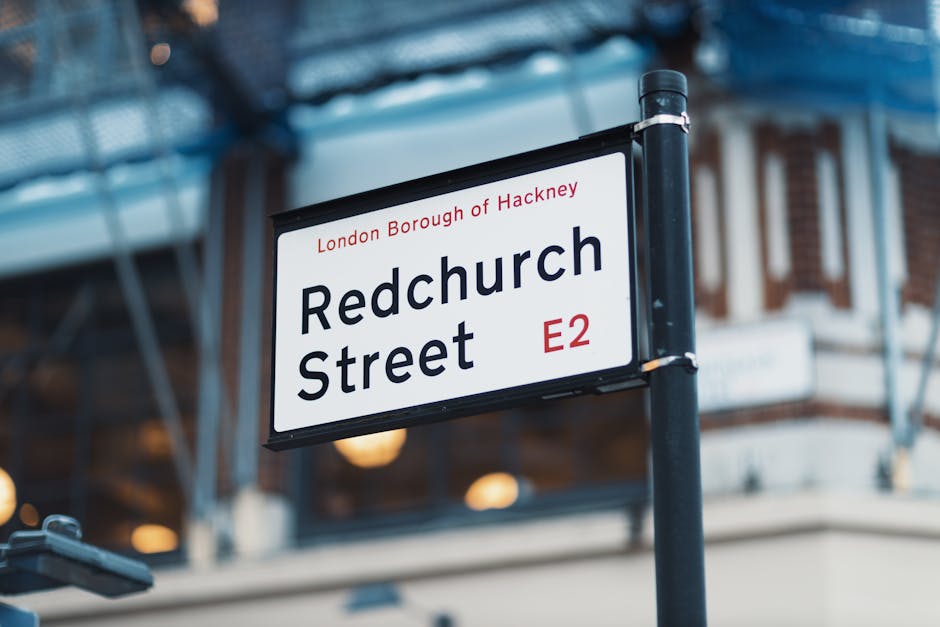
Commercial removals for Hackney businesses Mare Street
If you run a business on or around Mare Street, you already know the area has its own rhythm. Busy pavements, tight access, loading pressure, and the usual London reality of "just one more thing" all make moving premises a proper operation. Commercial removals for Hackney businesses Mare Street are not just about lifting desks into a van; they are about keeping trading interruptions low, protecting stock and equipment, and making sure your move lands cleanly on the other side.
This guide breaks the process down in plain English. You will find what a commercial move actually involves, how the job is usually planned, what to watch out for in Hackney, and where careful preparation can save you time, stress, and money. If you are weighing up office removals, business relocation services, or a full commercial move, this article should help you make a steadier decision. Truth be told, the smoother moves are rarely the ones that look exciting. They are the ones planned properly.
Table of Contents
- Why Commercial removals for Hackney businesses Mare Street Matters
- How Commercial removals for Hackney businesses Mare Street Works
- Key Benefits and Practical Advantages
- Who This Is For and When It Makes Sense
- Step-by-Step Guidance
- Expert Tips for Better Results
- Common Mistakes to Avoid
- Tools, Resources and Recommendations
- Law, Compliance, Standards, or Best Practice
- Options, Methods, or Comparison Table
- Case Study or Real-World Example
- Practical Checklist
- Conclusion
- Frequently Asked Questions
Why Commercial removals for Hackney businesses Mare Street Matters
Mare Street is one of those Hackney roads where the practical side of a move matters as much as the logistics on paper. A small agency, studio, consultancy, retailer, clinic, or hospitality business can lose valuable hours if the move is not timed and managed properly. And in a city like London, hours matter. A lot.
Commercial removals are different from household moves because the priorities are different. With business relocations, the main goal is usually continuity. You want staff to arrive, equipment to work, files to stay organised, and customers not to feel the wobble too sharply. That can include moving desks, chairs, IT equipment, filing cabinets, archive boxes, retail fixtures, display stands, or specialist items that need a bit more care than "box it up and hope".
For businesses on Mare Street, access is often part of the challenge. Parking can be limited, building entrances may be shared, and loading windows can be tight. Sometimes the move also has to work around local traffic patterns, lifts, stairwells, or noisy neighbours who are having none of it. This is where a good removals plan earns its keep.
Expert summary: the best commercial move is rarely the cheapest quote or the biggest van. It is the move that matches your building access, your working hours, your equipment, and your tolerance for disruption. That sounds simple, but it is where many businesses trip up.
There is also the reputational side. If you are a client-facing business, an organised move signals competence. If you are a small team, it reduces the feeling that everything is happening all at once. And let's face it, nobody enjoys spending a Tuesday morning trying to work out where the printer cable went.
How Commercial removals for Hackney businesses Mare Street Works
A commercial move normally starts with a survey or at least a detailed conversation. A decent removals provider will want to know what type of business you run, how much needs moving, whether you have bulky or fragile items, and what the access looks like at both ends. For larger jobs, an on-site visit is often the sensible route because it helps identify awkward corners, lift restrictions, and any gear that needs extra handling.
From there, the process usually follows a fairly steady pattern:
- Assessment: the move is scoped, including rooms, floors, access points, and timing.
- Planning: a schedule is created for packing, dismantling, transport, and set-up.
- Preparation: staff pack items, label boxes, back up systems, and clear non-essential clutter.
- Move day: items are loaded, transported, and unloaded in the agreed order.
- Placement and reassembly: furniture, workstations, and core items are set up where they need to go.
- Final checks: the team confirms nothing is missing, damaged, or left behind.
For many businesses, the move is easier if it is split into phases. For example, IT equipment and documents may move after hours, while furniture and storage units are shifted in a separate block. That kind of sequencing can reduce the panic factor. It also means your staff are not stepping around stacks of boxes while trying to answer emails.
On Mare Street, timing can be just as important as muscle. A move early in the day or outside your busiest trading window may be less disruptive. If your building has shared access or loading restrictions, the schedule should be built around that reality, not against it. In our experience, the jobs that go best are the ones where the plan respects the street as it is, not as you wish it were.
Key Benefits and Practical Advantages
There are some obvious benefits to using a dedicated commercial removals service, but the less obvious ones matter too. The real value often shows up in the details.
- Less downtime: your team gets back to work sooner, which is especially useful if your business depends on phones, computers, or walk-in customers.
- Lower risk of damage: trained movers know how to handle awkward furniture, fragile kit, and heavy office items more carefully than a hurried internal team.
- Better coordination: move-day responsibilities are clearer, so fewer things get missed.
- Reduced staff strain: your team can focus on their jobs instead of carrying boxes and wrestling with desks.
- More predictable timing: a planned move is easier to schedule around landlords, suppliers, and customers.
- Cleaner handover: if you are leaving a rented unit, a well-managed move helps you clear the space properly.
There is also a quieter benefit: peace of mind. It sounds soft, but it is real. When you know who is moving what, when, and where, the whole process becomes a lot less emotionally messy. You can sleep a bit better the night before. Not perfectly, maybe, but better.
For businesses handling sensitive documents, fragile stock, or specialist equipment, the right removals approach can also support better internal control. That includes packing by department, labelling by room, and separating priority items from general inventory. Small thing? Maybe. But it saves a surprising amount of faffing around later.
Who This Is For and When It Makes Sense
This service is relevant for a wide range of Hackney businesses, not just classic offices. If your premises, equipment, and workflow need to be moved with care, you are probably in the right category.
- Offices and agencies: desks, chairs, IT, printers, meeting room furniture, and records.
- Retailers: shelving, displays, stock, counters, POS equipment, and storage units.
- Studios and creative businesses: art materials, production kit, props, screens, and workbenches.
- Hospitality businesses: front-of-house furniture, kitchen items, dry stock, and service equipment.
- Clinics and professional services: filing systems, specialist furniture, confidential materials, and waiting-room items.
It also makes sense if you are:
- moving to a bigger or smaller unit
- reorganising across floors or nearby sites
- fitting out a new lease
- closing one site and consolidating into another
- needing help with same-day or short-notice relocation
Sometimes the decision is not about a full-scale office relocation at all. It may be a partial move, such as shifting overflow storage, relocating a team to a temporary workspace, or moving a single department while the rest of the business carries on. Those smaller moves can be deceptively fiddly. Few things are more annoying than "just a light move" turning into three trips and a missing monitor stand.
Step-by-Step Guidance
If you want the move to go smoothly, it helps to think in stages rather than as one giant event. Here is a practical way to approach it.
1. Start with a realistic inventory
List what is moving, what is being discarded, what is going into storage, and what stays behind. This sounds obvious, but many delays begin with a vague idea of "most things". For a business move, vague is expensive.
2. Assign a move lead
Pick one person who has authority to make decisions on the day. Too many opinions slow things down. One point of contact keeps the process tidy.
3. Decide the timing early
Choose dates that suit trading patterns, staff availability, building access, and any local constraints. If you need evening or weekend work, flag that well in advance. It is much easier to book a move than to rescue a bad one.
4. Prepare systems and equipment
Back up data, label cables, note down IT dependencies, and check which devices need specialist handling. If you have servers, sensitive electronics, or anything that should not be jolted around, say so clearly.
5. Pack in a sensible order
Start with low-priority items, seasonal stock, or archive materials. Keep critical tools and everyday items available until the end. Use labels that actually help people, not vague notes like "misc". That word has caused enough grief already.
6. Make access easy
Clear corridors, reserve loading space where possible, and make sure keys, fobs, and access codes are ready. If your building has narrow staircases or shared lifts, mention this before move day.
7. Unpack with priority in mind
Once you arrive, set up the essentials first: internet, power, reception, customer-facing areas, and the workstations that matter most. Then deal with the rest. No need to rebuild the archive before the kettle is plugged in.
Expert Tips for Better Results
There are a few things that separate a decent move from a really calm one. They are not fancy, just sensible.
- Use room-by-room labels: this makes unloading faster and reduces the number of mystery boxes.
- Photograph cable setups: especially for IT desks, screens, and printers. It saves time later.
- Separate fragile items clearly: don't hide them inside a generic box and hope for the best.
- Keep a small essentials kit: chargers, tape, scissors, keys, basic documents, and a few cleaning supplies can be a lifesaver.
- Declutter before the move: every unnecessary item costs time, space, and money.
- Check building rules in advance: some premises have restrictions on loading, lift use, or noise.
A useful rule of thumb: if something would be awkward to replace quickly, treat it like it matters. Because it probably does. That might be a specialist chair, a branded display unit, or a box of signed contracts sitting quietly in the back office. The little things are often the annoying things.
If your business has a busy public front, it is also worth planning the visual side of the move. Customers or passers-by may see stock, trolleys, protective wrapping, and staff in motion. That is normal, but a neat process feels more professional. Even a half-moved office can still look organised if the route is tidy and the clutter is controlled.
Common Mistakes to Avoid
Most move problems are preventable. The trouble is, they are often preventable in the exact moment people are busiest. Here are the big ones.
- Underestimating volume: businesses tend to forget storage, archived files, kitchen items, and the "hidden" stuff in cupboards.
- Leaving packing too late: last-minute packing leads to broken items and scattered priorities.
- Ignoring access issues: a van is only useful if it can actually get near the entrance.
- Not planning IT separately: technology often needs more care than furniture.
- Forgetting insurance questions: you should be clear on what is covered and under what conditions.
- Failing to brief staff: if nobody knows what to do, everybody improvises, and that's rarely pretty.
Another common mistake is assuming the cheapest quote is the safest choice. Sometimes it is fine. Sometimes it is missing things that will matter later, like packing support, stair carries, or extra time for access. A low headline price can feel attractive, then the add-ons arrive. Bit of a headache, really.
And on a busy road like Mare Street, delay compounds quickly. One late arrival can push the whole day off balance. That is why realistic scheduling matters so much. It is not overcautious. It is just smart.
Tools, Resources and Recommendations
You do not need a mountain of equipment to prepare for a business move, but the right basics help a lot. In practice, a smooth move usually benefits from a few simple tools and support services.
- Packing materials: sturdy boxes, bubble wrap, tape, wardrobe rails if needed, and label sheets.
- Protective covers: useful for desks, monitors, chairs, and delicate furniture edges.
- Trolleys and moving blankets: essential for safe handling of heavier or awkward items.
- Storage: handy if your new space is not ready for everything at once.
- Professional packing help: useful when time is tight or you have fragile equipment.
If you are comparing service types, it can also help to look at the wider removals support available. Some businesses only need transport, while others need a more complete relocation package. For example, office removals may suit a conventional workspace, while office relocation services are often a better fit when you want help with planning, packing, and on-the-day coordination. If your move involves heavier stock or mixed items, commercial moves and broader removal services can be worth reviewing too.
For short-notice jobs, it may also be sensible to consider same-day removals if timing becomes unexpectedly tight. Not ideal, no, but sometimes business life does that to you.
Law, Compliance, Standards, or Best Practice
Commercial removals usually touch on a few important areas of best practice, even if the move itself is straightforward. You do not need to become a legal expert, but you should think carefully about safety, insurance, building rules, and data handling.
Health and safety matters because moving heavy or awkward items can create genuine risk. A reliable removals provider should use sensible manual handling practices, suitable equipment, and clear risk awareness. If you are managing a workplace move, it is sensible to review any hazards in advance and avoid asking staff to lift items they should not be lifting.
Insurance is another key point. Check what cover applies to goods in transit, handling damage, and accidental loss. Do not assume everything is covered automatically; the detail matters. If you have higher-value equipment, ask direct questions and keep the answers in writing if possible.
Access and building rules can also affect the move. Some buildings require booking lifts, protecting floors, notifying neighbours, or sticking to certain loading windows. That is common sense, but it still needs to be planned. For local access issues and parking considerations, Hackney businesses often benefit from reading practical move guidance before the day arrives, especially if the site is busy or has tight street access.
Data protection and confidentiality should be treated carefully if you move files, client records, or sensitive materials. That does not mean the move becomes complicated; it just means boxes should be labelled carefully, access should be controlled, and confidential items should not be left sitting around open and unattended.
Environmental best practice is worth considering too. Reusing boxes where suitable, recycling packaging responsibly, and reducing waste from unwanted furniture can make the move more efficient and more responsible. If that matters to your business values, it is worth asking about it upfront. A move is often a good moment to clear out what you no longer need.
For more on responsible disposal and reuse, you may want to look at recycling and sustainability. If you need reassurance about service standards and day-to-day operating expectations, health and safety policy and insurance and safety are also useful pages to review.
Options, Methods, or Comparison Table
Not every business needs the same moving method. The right choice depends on how much you are moving, how far you are going, and how much help you want on the day.
| Option | Best for | Strengths | Watch-outs |
|---|---|---|---|
| Self-managed move | Very small teams with minimal furniture | Can seem cheaper upfront | High stress, higher risk of delays, more strain on staff |
| Man and van | Smaller commercial moves, overflow stock, compact loads | Flexible and practical | May not suit larger offices or specialist items |
| Dedicated commercial removals | Full business relocations and larger workplaces | Better planning, better handling, less disruption | Needs earlier booking and clearer planning |
| Full relocation support | Businesses that want packing, move management, and setup help | Strongest convenience and coordination | May cost more, but often saves time |
If you are only moving a small load or a few key items, a man with van arrangement or a man and van service may be enough. For a larger office or multi-department move, a more structured approach is usually the better call. A proper removal truck hire option can also make sense if the load is substantial and timing is tight.
Case Study or Real-World Example
Here is a realistic example based on the kind of move many Hackney businesses face. A small creative agency near Mare Street needed to relocate into a nearby office with better layout and a slightly more professional client space. The team had a mix of desks, monitors, a meeting table, archive boxes, sample materials, and a few bulky chairs that looked straightforward until anyone tried carrying them down a narrow corridor.
The move worked best because it was broken into stages. The agency first sorted what they no longer needed, then boxed archive items separately, and finally labelled the live workstations so each person could be up and running quickly. IT equipment was handled last, so the office could keep operating until the final hour. Nothing dramatic, no heroic last-minute saves, just a sensible sequence.
On move day, the team kept one person responsible for liaison and one for checking the new site. That simple split avoided confusion. The movers knew what to prioritise, the staff knew where to stand, and the transfer finished with less disruption than the team had expected. A few things still needed tweaking after setup, because that is normal, but the business was operational far sooner than if everybody had tried to improvise their way through it.
The main lesson? Planning beats panic every time. Even a compact move can turn messy if the workflow is not thought through. But if you treat the move as a project rather than a chore, the whole thing becomes much more manageable.
Practical Checklist
Use this as a final run-through before the move. It is simple, but it covers the bits people forget.
- Confirm move date, times, and access arrangements
- List all items going, staying, into storage, or being discarded
- Label boxes by room, department, or priority
- Back up data and protect sensitive files
- Photograph IT and workstation setups before disconnecting them
- Check lift use, loading access, and building restrictions
- Reserve parking or loading space if required
- Pack an essentials kit for the first day in the new space
- Review insurance cover and handling expectations
- Tell staff what they need to do and when
- Arrange recycling or disposal for unwanted items
- Walk through the empty site before handing it back
If you tick off even half of that early, the day feels a lot less frantic. It really does.
Conclusion
Commercial removals for Hackney businesses Mare Street are about more than moving furniture from A to B. They are about protecting your trading time, reducing disruption, and giving your team a move that feels controlled rather than chaotic. The businesses that do best tend to prepare early, keep the plan simple, and work with a removals team that understands access, timing, and the realities of London premises.
If you are planning a move near Mare Street, the smartest next step is to map out your inventory, access needs, and timing, then compare the level of support you actually need. Sometimes a straightforward transport job is enough. Sometimes you need fuller planning and packing support. Either way, the goal is the same: a clean move, a clear start, and fewer headaches on the other side.
Get a free quote today and see how much you can save.
And if the whole thing still feels a bit too much, that's normal. A good move takes a little care, a little patience, and the right people beside you. The rest usually falls into place.
Frequently Asked Questions
What do commercial removals for Hackney businesses Mare Street usually include?
They usually include assessment, packing support if needed, loading, transport, unloading, and placement at the new site. Some providers also help with dismantling furniture, handling delicate equipment, and setting up key areas so the business can restart quickly.
How far in advance should I book a business move on Mare Street?
As early as you can. For straightforward jobs, a little lead time helps with planning and access. For larger or more complex moves, booking earlier is far safer, especially if you need a specific date or out-of-hours timing.
Can a commercial move be done outside business hours?
Yes, often it can. Evening or weekend moves are common for businesses that want to avoid interrupting trade or staff activity. You should confirm availability early because out-of-hours slots can fill quickly.
What is the difference between office removals and commercial removals?
Office removals are a type of commercial move, but commercial removals is broader. It can cover offices, shops, studios, clinics, and other business premises, not just traditional desk-based workplaces.
How do I know if I need packing services as well as transport?
If you have limited staff time, fragile equipment, a lot of documents, or a tight move window, packing services can save you a lot of effort. They are especially helpful when the move involves multiple rooms or specialist items.
What should I do with unwanted furniture or old stock?
Separate it before move day. Some items may be suitable for reuse, resale, or recycling. Clearing out unwanted pieces in advance reduces load size and makes the move more efficient.
Is it better to use a man and van or a full removals service?
That depends on the size and complexity of the move. A smaller load may suit a man and van arrangement, while a full office or business relocation is usually better served by a structured removals team with more planning support.
How can I reduce downtime during the move?
Plan the move in stages, back up data, keep essentials separate, and make sure the new site is ready before the main load arrives. Clear labelling and a single move lead also make a big difference.
Do I need insurance for a commercial move?
You should check what insurance is included and whether it matches the value and type of items being moved. If you have specialist equipment or higher-value stock, ask specific questions before you book.
What are the biggest mistakes businesses make during a move?
The main ones are underestimating how much there is to move, leaving packing too late, forgetting access restrictions, and not planning IT separately. Those mistakes are common, and they are frustratingly avoidable.
Can commercial removals help with storage between locations?
Yes, many moves can be arranged with temporary storage if your new premises are not ready yet or if you need time to sort through items. That can be especially useful for phased relocations.
What should I ask a removals company before hiring them?
Ask about access planning, insurance, timing, packing help, handling of fragile items, and whether they have experience with business moves similar to yours. Clear answers early on usually tell you a lot.
Are same-day business removals a realistic option?
Sometimes, yes. Same-day moves can work for smaller or urgent jobs, but they depend on availability, access, and how much needs moving. They are best treated as a backup rather than the default plan.
What makes Mare Street a tricky area for business moves?
Like many busy London roads, access, parking, and timing can be awkward. Shared entrances, traffic, and loading restrictions can all affect how the move is planned, so local awareness matters more than people expect.